Our Rehabilitation and Reintegration Approach
Discover how SPS works with families, volunteers and community partners to support offenders' rehabilitation journey.
Last updated on 6 October 2026

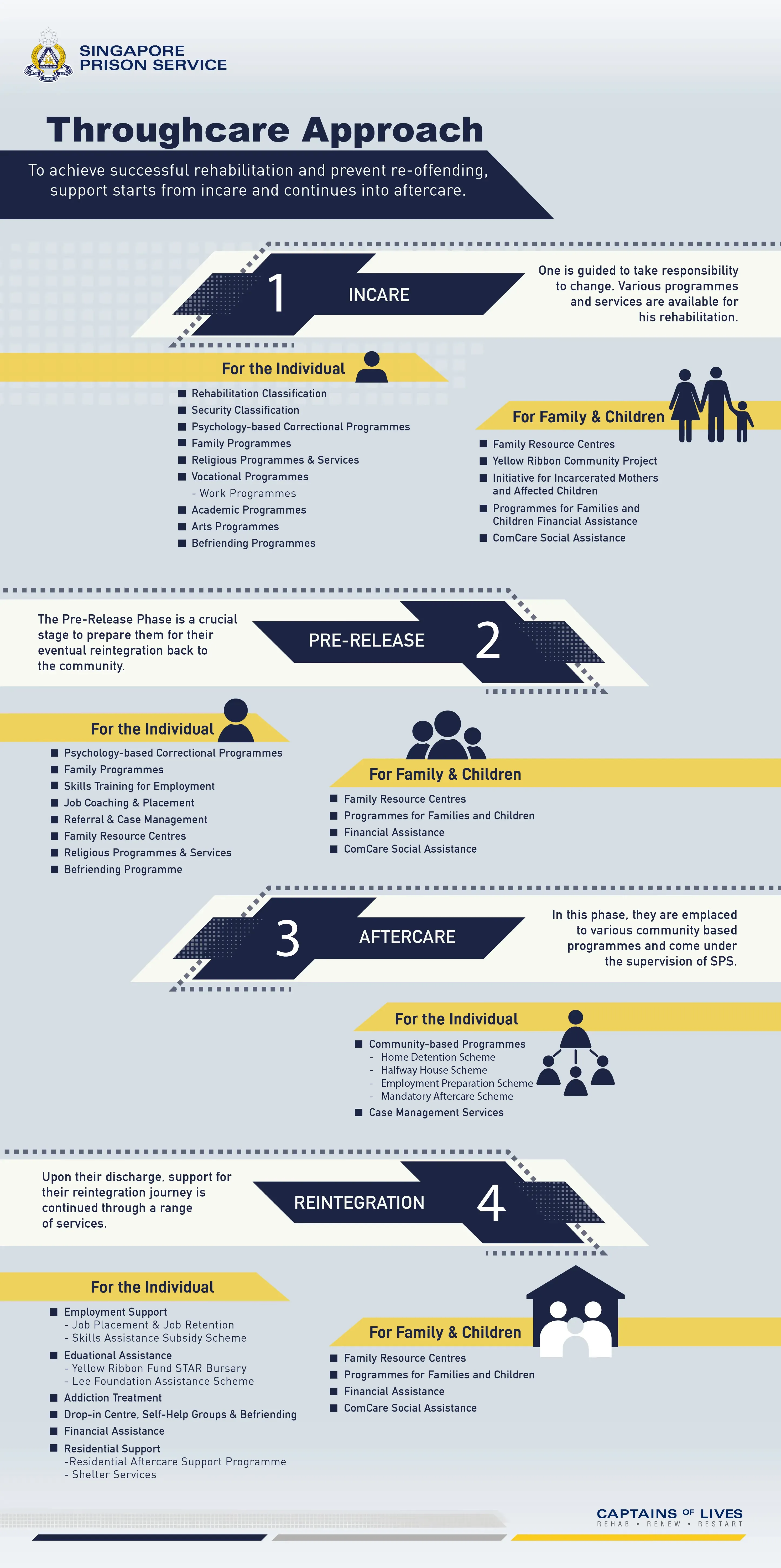
The SPS Rehabilitation and Reintegration approach guides SPS and community partners’ collective rehabilitation and reintegration efforts.
SPS adopts a seamless throughcare approach with continuous and coordinated efforts to address the risks and needs of inmates. These efforts begin in prison and continue in the community after their release.
The rehabilitation and reintegration journey involves many different levels of agents of change, such as:
Inmates
Captains of Lives
Family members
Employers
Volunteers
Community partners
Desistors
Throughcare Approach
The rehabilitation and reintegration journey for offenders can be divided into two key phases:
- Incare (in prison) and
- Aftercare (in the community).
Responsible and Motivated Individuals
At the core of any change journey is the individual. Individuals must accept responsibility and be motivated to initiate and sustain change in their lives. By cultivating a transformative environment in prison, SPS encourages inmates to take ownership of their lives and develop a pro-social identity.
SPS prepare inmates for their reintegration as active members of society through various programmes. Keeping the different needs of each individual in mind, we conduct a range of correctional programmes. These include:
Psychology-based correctional programmes
Family programmes
Work programmes
Vocational training and education
Risk-Needs-Responsivity Model, Strengths-based and Desistance Theories
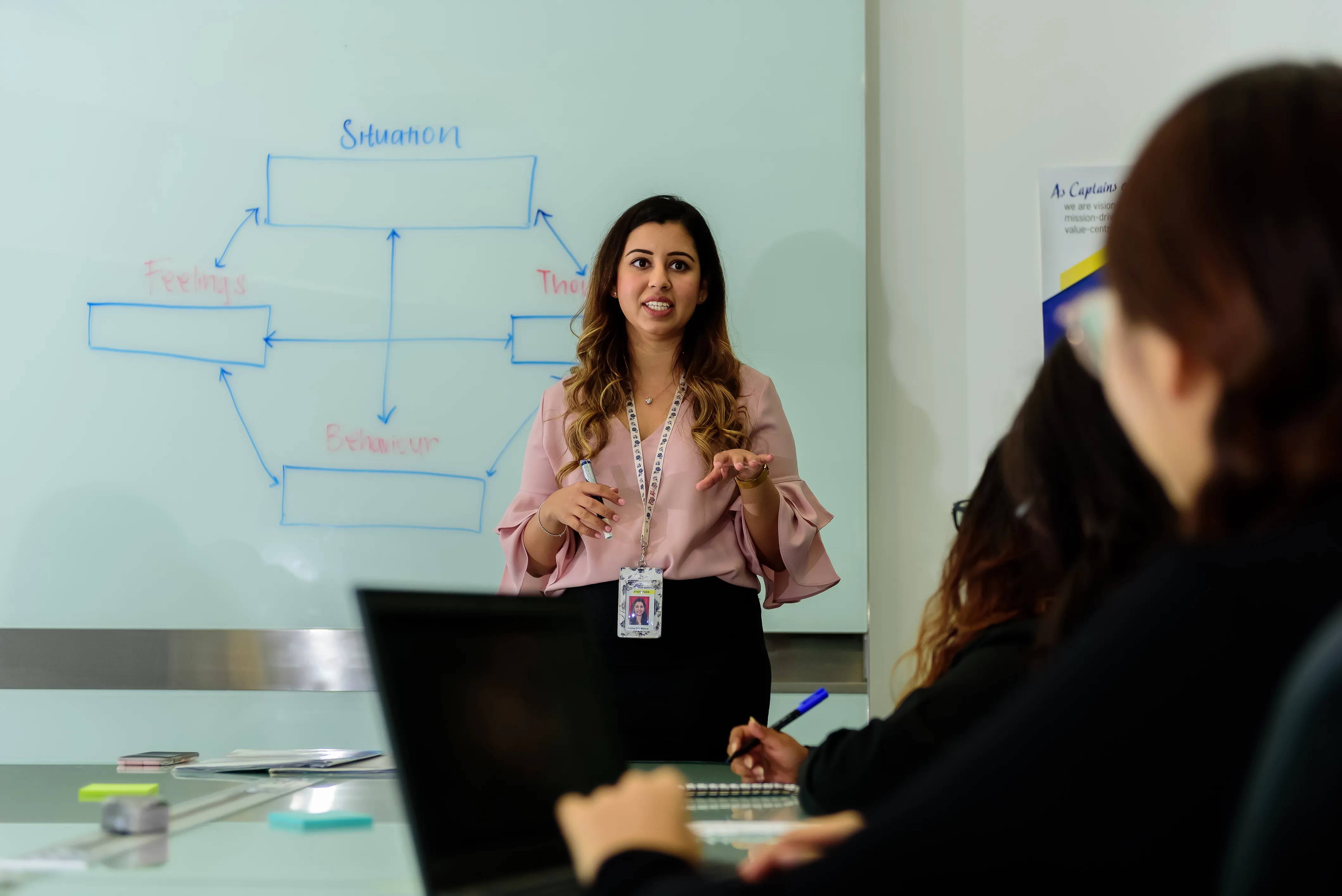
Singapore Prison Service’s rehabilitation approach is informed by various established models and theories, including the Risk Needs Responsivity (RNR) and desistance theories.
These address the inmate’s offending risks, rehabilitation and reintegration needs, leveraging on social and community networks, to prevent re-offending.

Psychology-Based Correctional Programmes (PCPs)
Inmates can attend Psychology-Based Correctional Programmes(PCPs) that address their criminogenic needs and strengthen their motivation to desist from offending.
My Action Plan (MAP)
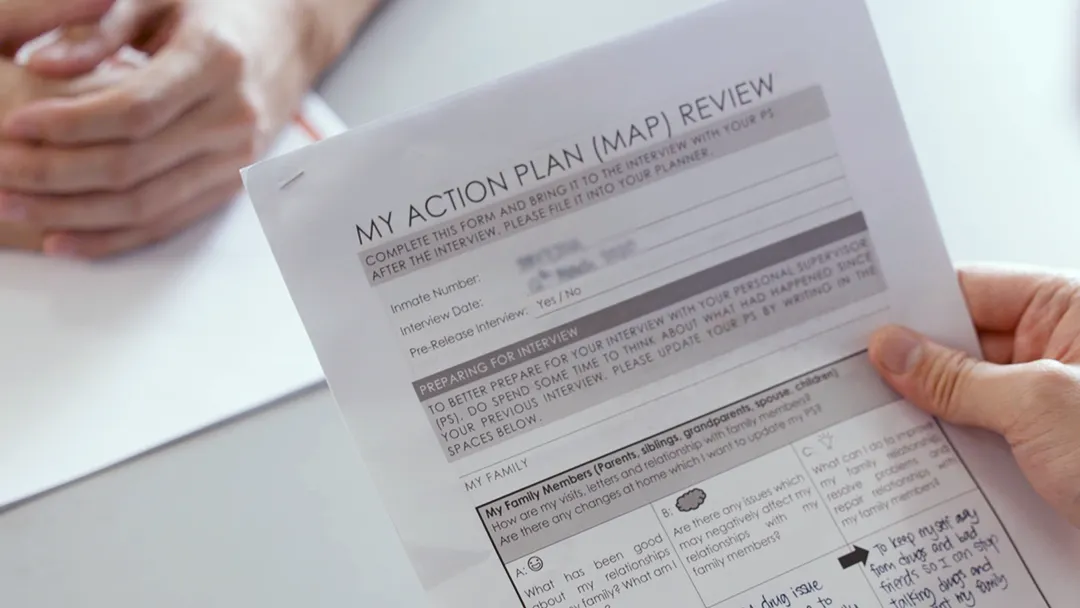
My Action Plan(MAP) is a planning tool that helps inmates chart their goals towards rehabilitation.
It encourages them to take greater ownership of their rehabilitation and reintegration journey.
Vocational Skills Training
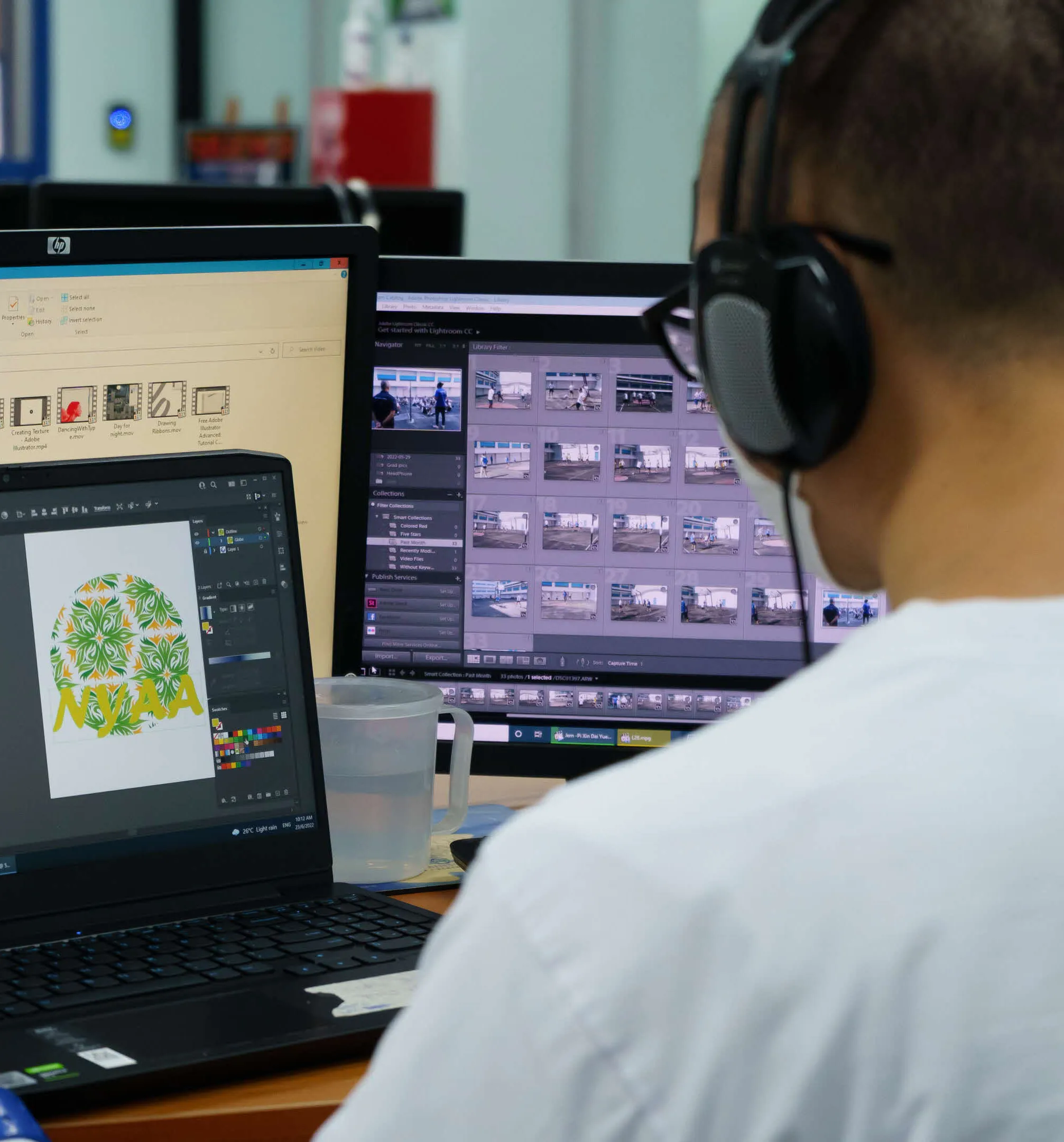
SPS partners Yellow Ribbon Singapore (opens in new tab) to support inmates’ skills and career development, helping to prepare them for their eventual reintegration into society.
Empowering Interpersonal Networks
Strong and healthy social networks are vital for inmates in their rehabilitation and reintegration journey. SPS creates opportunities for them to strengthen familial bonds, develop prosocial networks and prevent intergenerational offending.
Within prison, many agents of change play a role in the development of prosocial relations, including the inmates themselves, Captains of Lives (COLs), community partners and volunteers. Outside the prison, these reintegration efforts are supported by family members, our community partners, and volunteers who are inmates’ motivation to stay on the right path.
COLs as Role Models
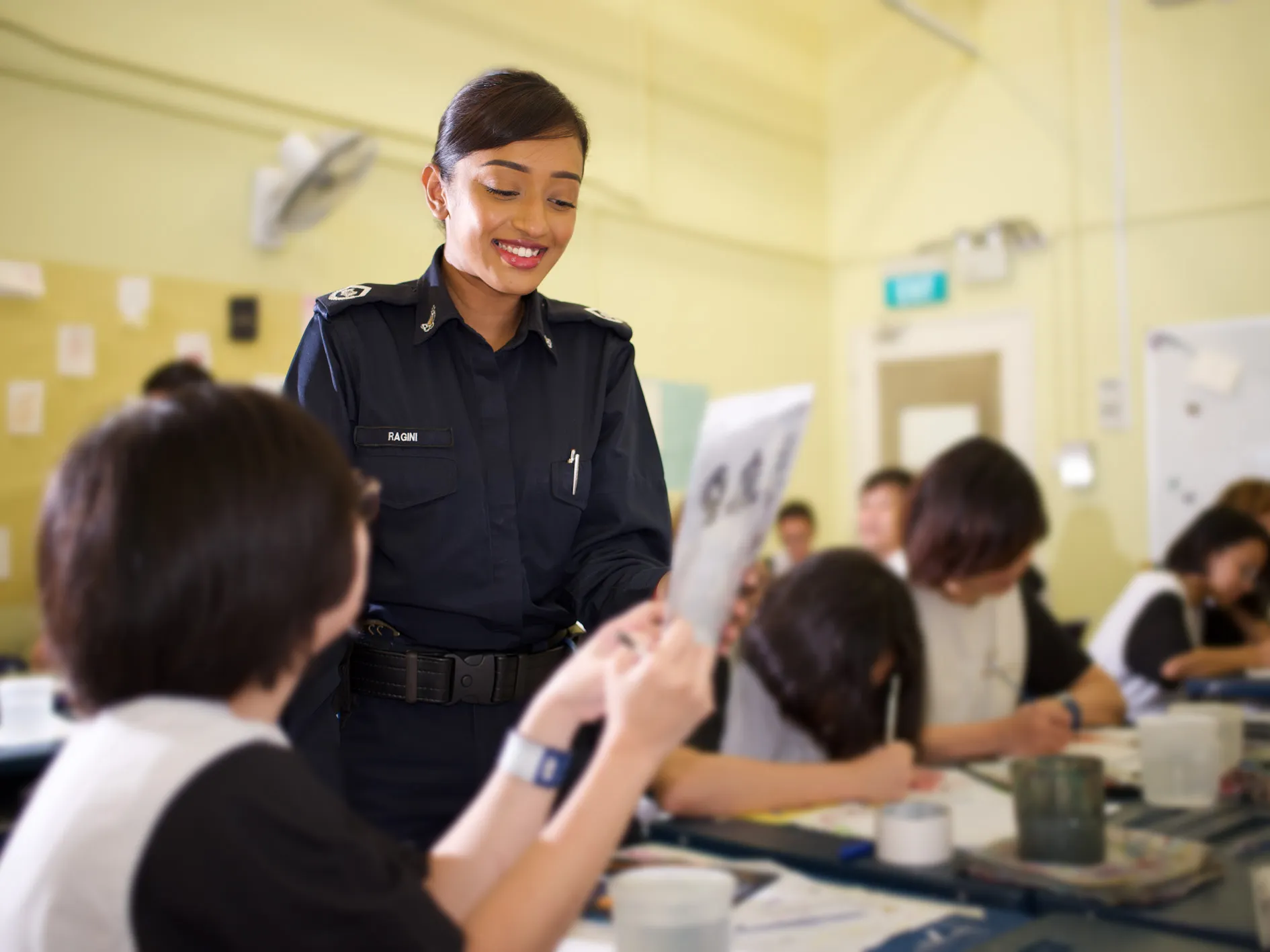
Captains of Lives (COLs) are among the first agent of change for inmates. Through their daily interactions with inmates, COLs embody SPS’s mission and core by maintaining discipline, meaningfully engaging them, and inspire change.
Family members as reasons to change
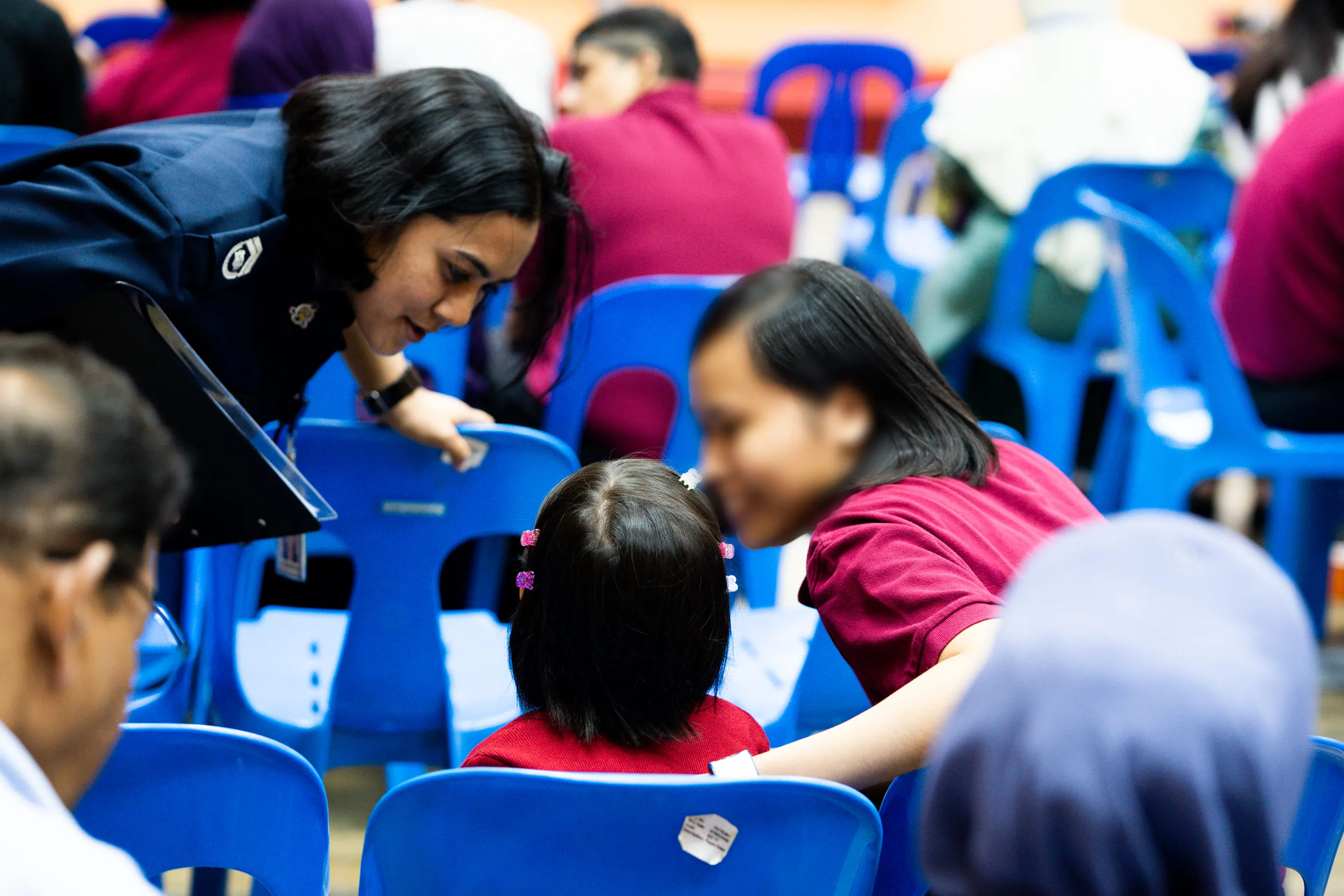
SPS recognises the important role that family support can play in the inmates’ rehabilitation and reintegration journey.
SPS involves the family members of inmates as key agents of change through family-centric rehabilitation programmes, letter correspondences, and visits. This helps inmates prepare for their reintegration so they can return to a supportive family network upon release.
Volunteers who expand prosocial networks
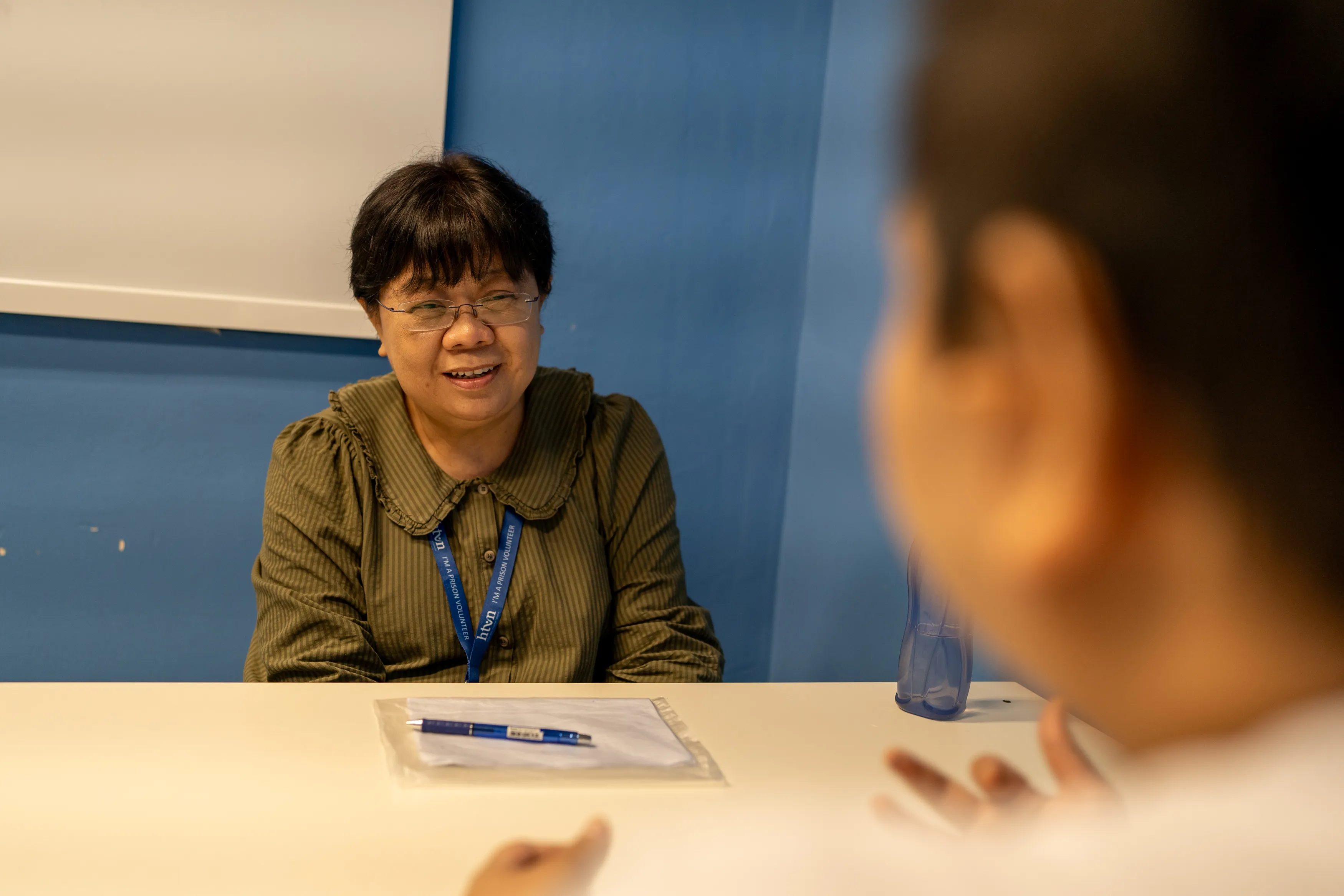
Volunteers complement SPS’s rehabilitation efforts by engaging inmates through structured religious and secular programmes. They can help inmates expand their prosocial networks and provide reintegration support following their release.
Dedicated Communities
Strong community support can contribute to an inmate's rehabilitation and reintegration journey and support efforts to reduce re-offending. This involves collaboration between community partners, employers, families, and government agencies to promote desistance.
SPS works with community partners and volunteers to deliver structured programmes that support inmates in their rehabilitation and reintegration journey.
Specific communities may also provide tailored support to address the different rehabilitation and reintegration needs of inmates.
Community-Based Programmes (CBPs) and Halfway Houses
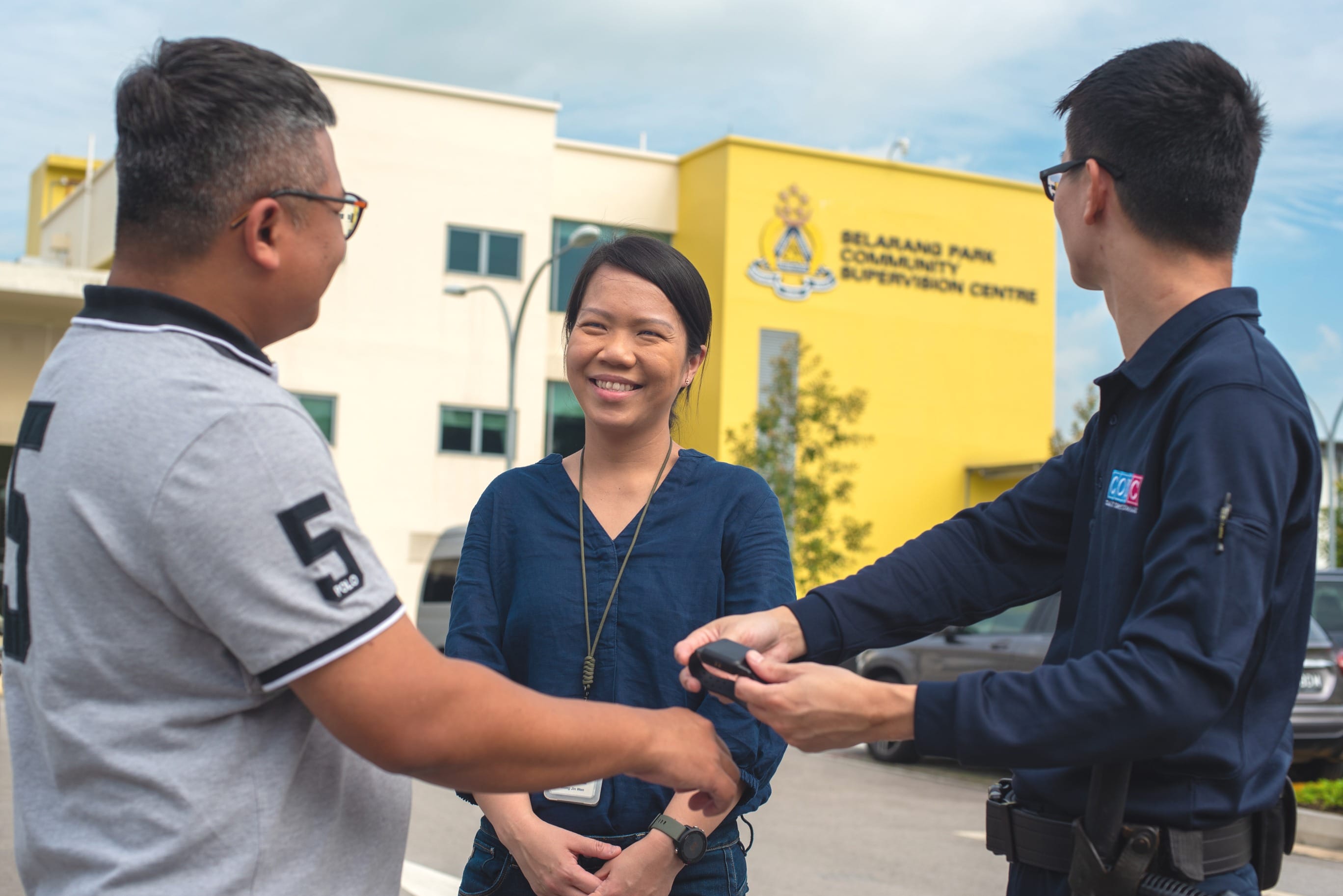
Community-Based Programmes(CBPs) promote the reintegration of inmates by allowing suitable inmates to serve the tail-end of their sentence/detention in the community.
Under the Halfway House Service Model, SPS partners 11 halfway houses to support the reintegration of supervisees into the community.
Desistor Network
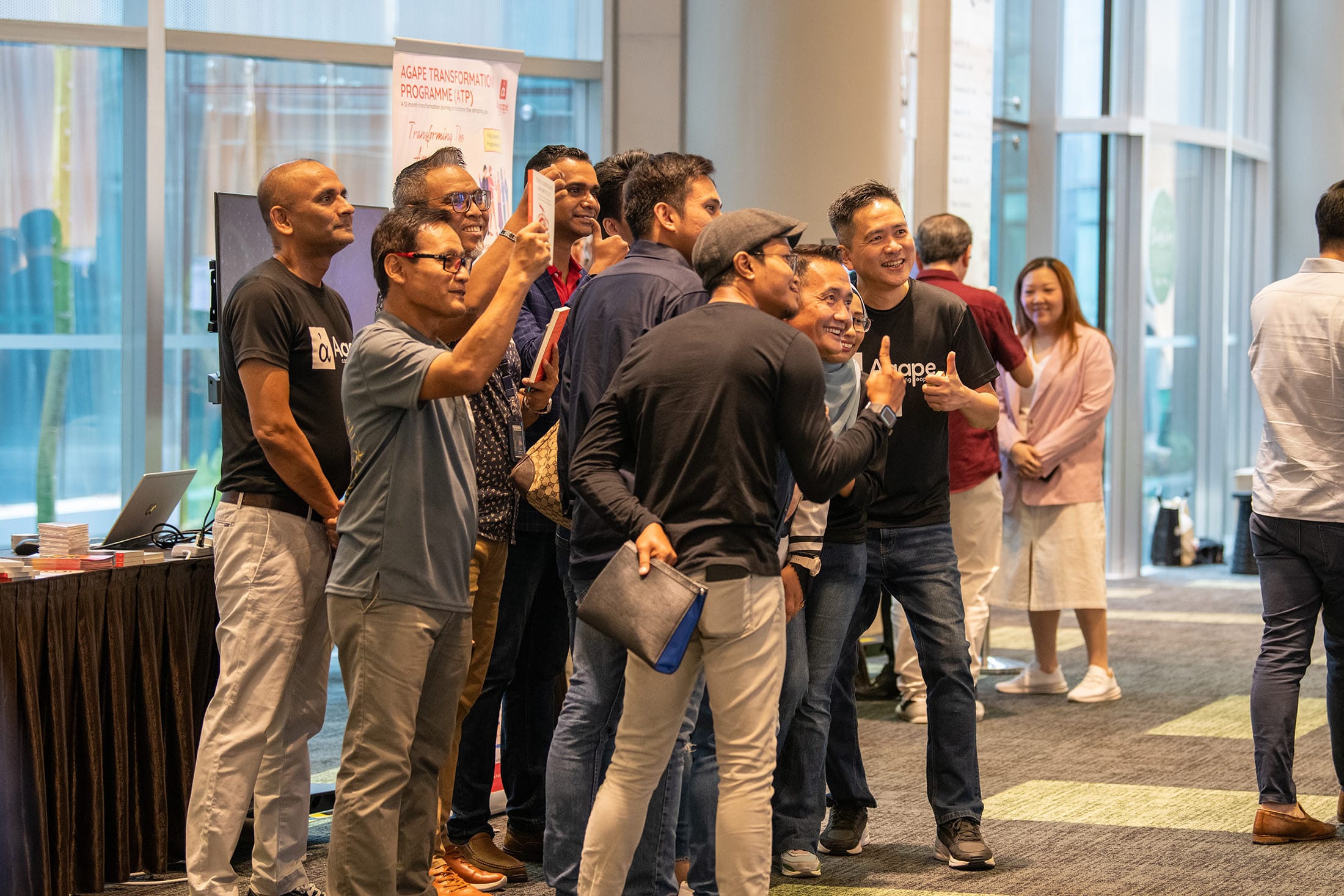
The Desistor Network brings together agencies that work with and support desistors, enabling them to draw on one another's strengths, experience and resources. This helps broaden the range of support available to desistors and ex-offenders.
Throughcare Volunteer Framework (TVF)
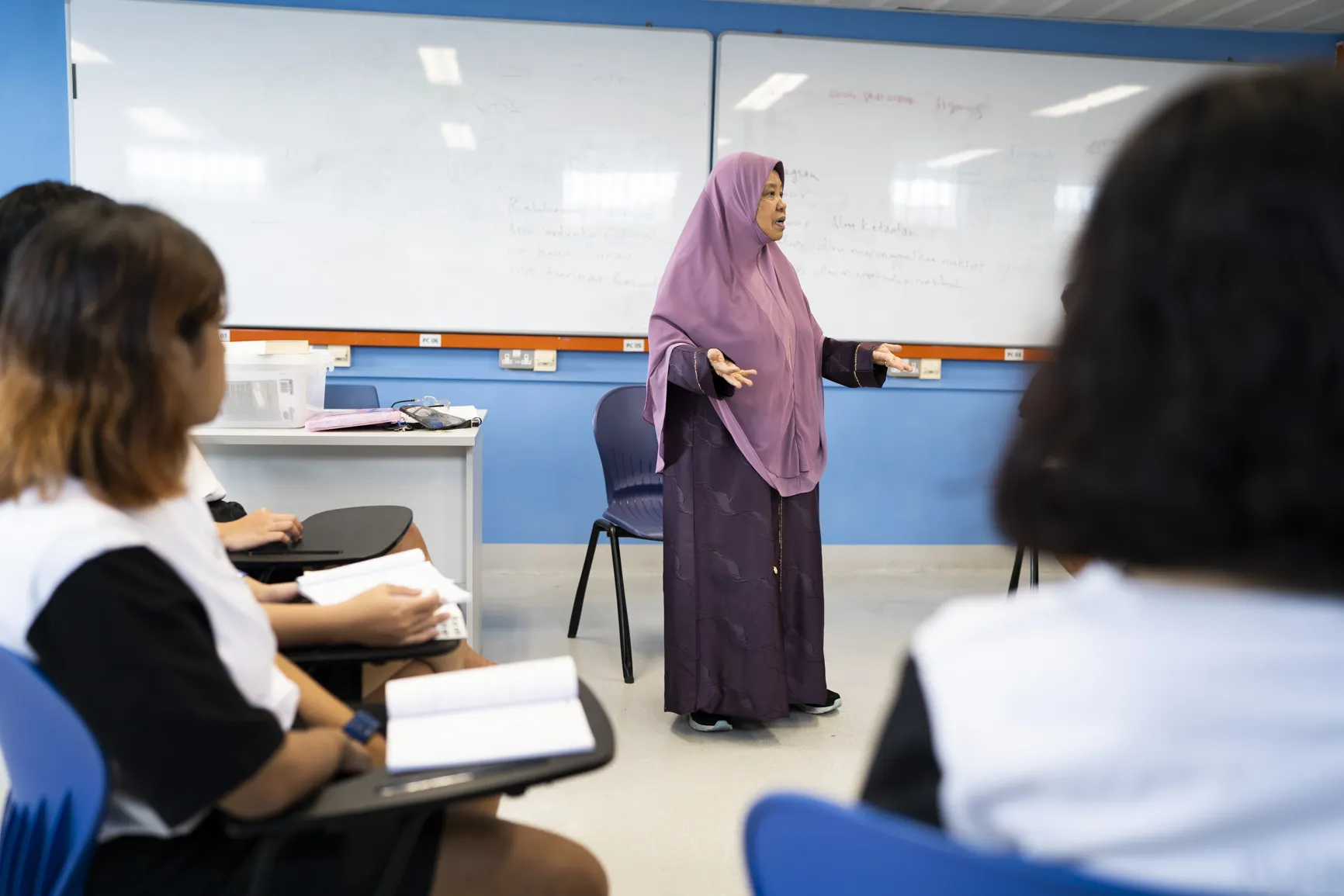
TVF volunteers engage with inmates throughout the entire rehabilitation journey, both Incare and Aftercare, providing a more pro-social support network upon their release.
Yellow Ribbon Community Project (YRCP)
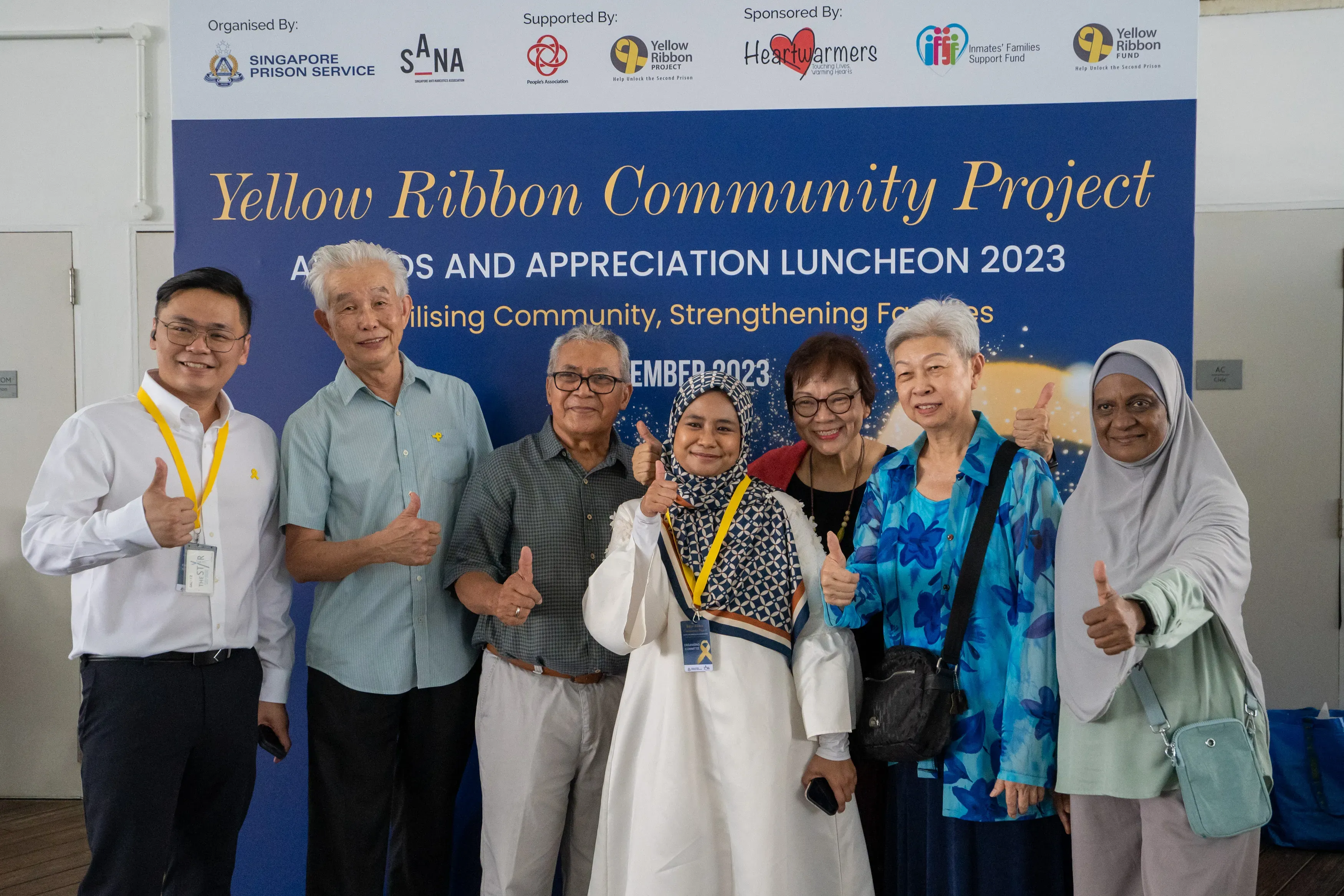
This Yellow Ribbon Community Project (YRCP) is a grassroots-led project provides support and assistance to inmates and their families, allowing them to focus on reintegrating back into society.
SPS also engages Family Service Centres (FSCs) to perform family case management to support inmates’ families with community resources.
An Inclusive Nation
SPS and Yellow Ribbon Singapore (YRSG) work as part of the Community Action for the Rehabilitation of Ex-Offenders (CARE) Network, to foster an inclusive society that supports the rehabilitation and reintegration of ex-offenders and their families.
SPS works to raise awareness of rehabilitation and strengthen public trust and acceptance of ex-offenders as they reintegrate into society.
We work with the public, employers, schools, community partners and government agencies to support ex-offenders in their reintegration, and help create opportunities for them to participate and contribute to society.
CARE Network
Community Action for the Rehabilitation of Ex-Offenders Network (CN) brings together community partners and government organisations to support the smooth transition from incare to aftercare, providing ex-offenders and their families the support they need after release.
Dedicated charitable funds, such as the Yellow Ribbon Cares, support the development and implementation of programmes and services for inmates, ex-offenders, and their families.
Employers
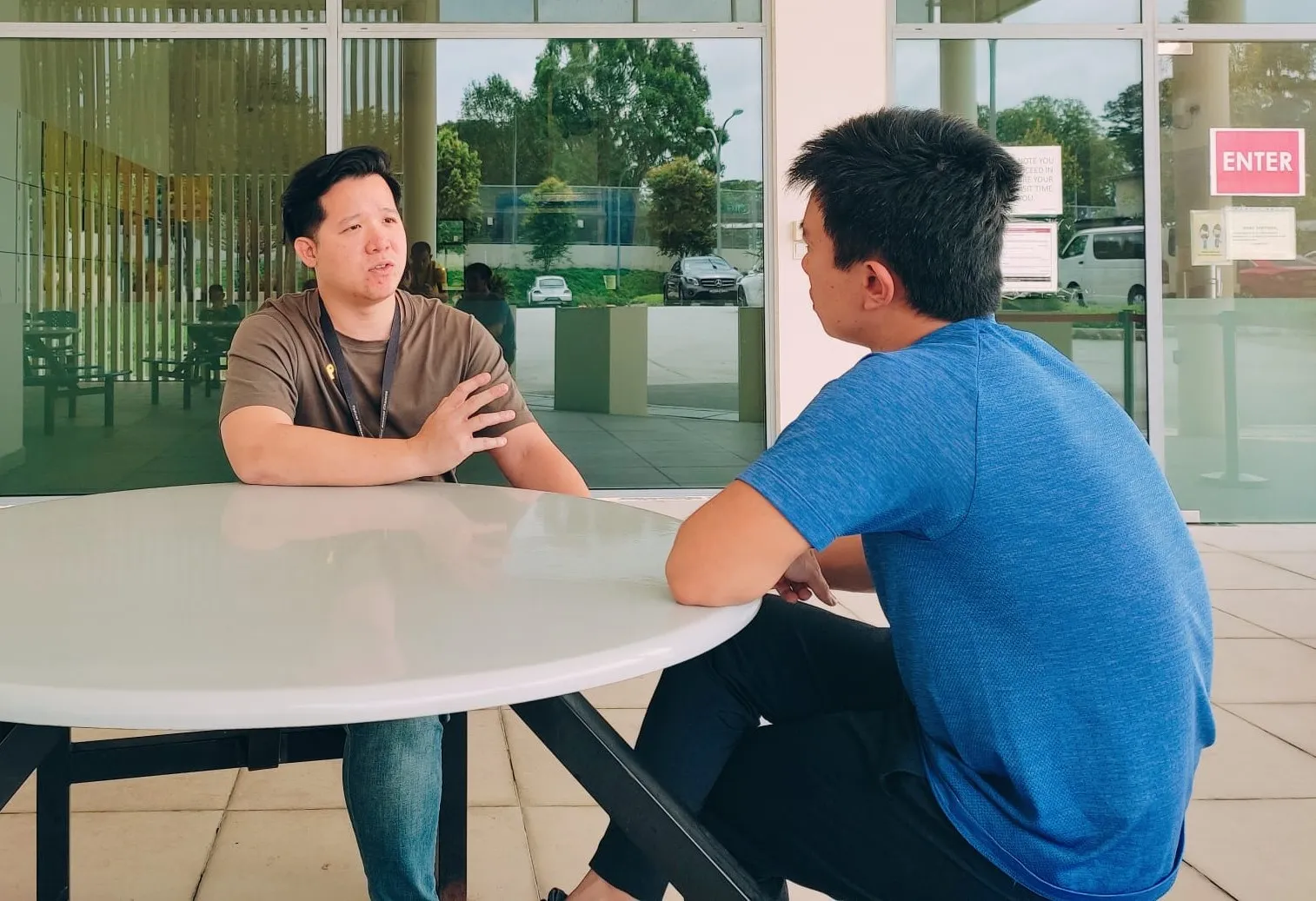
Yellow Ribbon Singapore (YRSG) works with over 6,400 companies to create employment opportunities for ex-offenders as they reintegrate into society.
YRSG supports ex-offenders by matching them to suitable job opportunities and providing training, career guidance and job retention support.
Yellow Ribbon Project
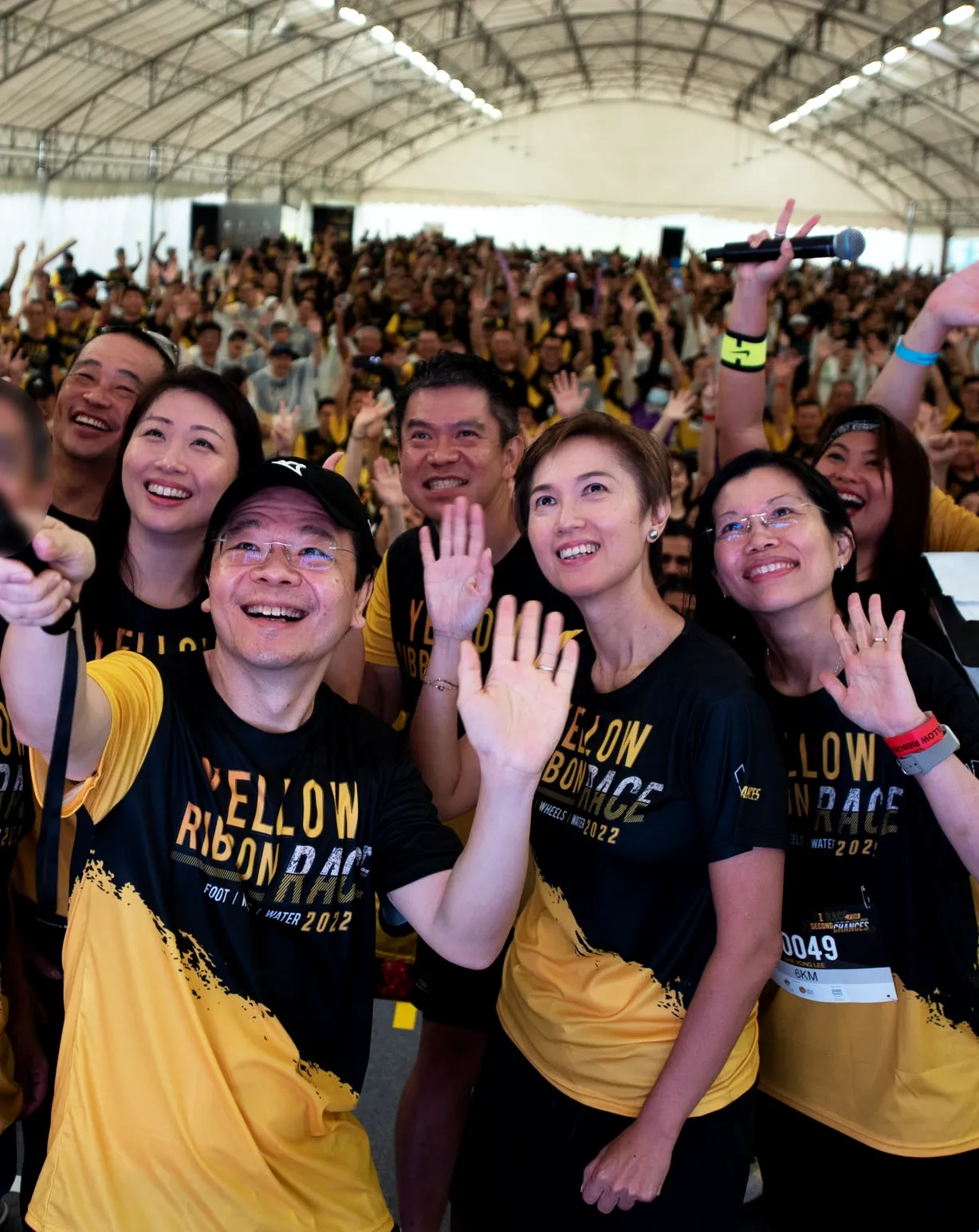
The Yellow Ribbon Project raises awareness of the importance of giving ex-offenders a second chance and supporting their reintegration into society.
The Yellow Ribbon Project promotes the 3 ‘A’s needed to improve support for ex-offenders:
Awareness – raising awareness of the need to give second chances to ex-offenders
Acceptance – generating acceptance of ex-offenders and their families
Action – inspiring community action to support rehabilitation and reintegration